Projects

Browse our available projects for Bachelor and Master theses.

We offer Bachelor and Master thesis projects in theoretical and computational astrophysics. Typical topics include — but are not limited to — magnetohydrodynamics (MHD), radiative transfer (RT), numerical methods and simulations, and data analysis / observational comparisons.

This page is under construction. If you are interested in a thesis project, please get in touch via the contact page or email max.gronke@uni-heidelberg.de and tell us about your interests and background.

Cold Gas Survival in Galactic Winds

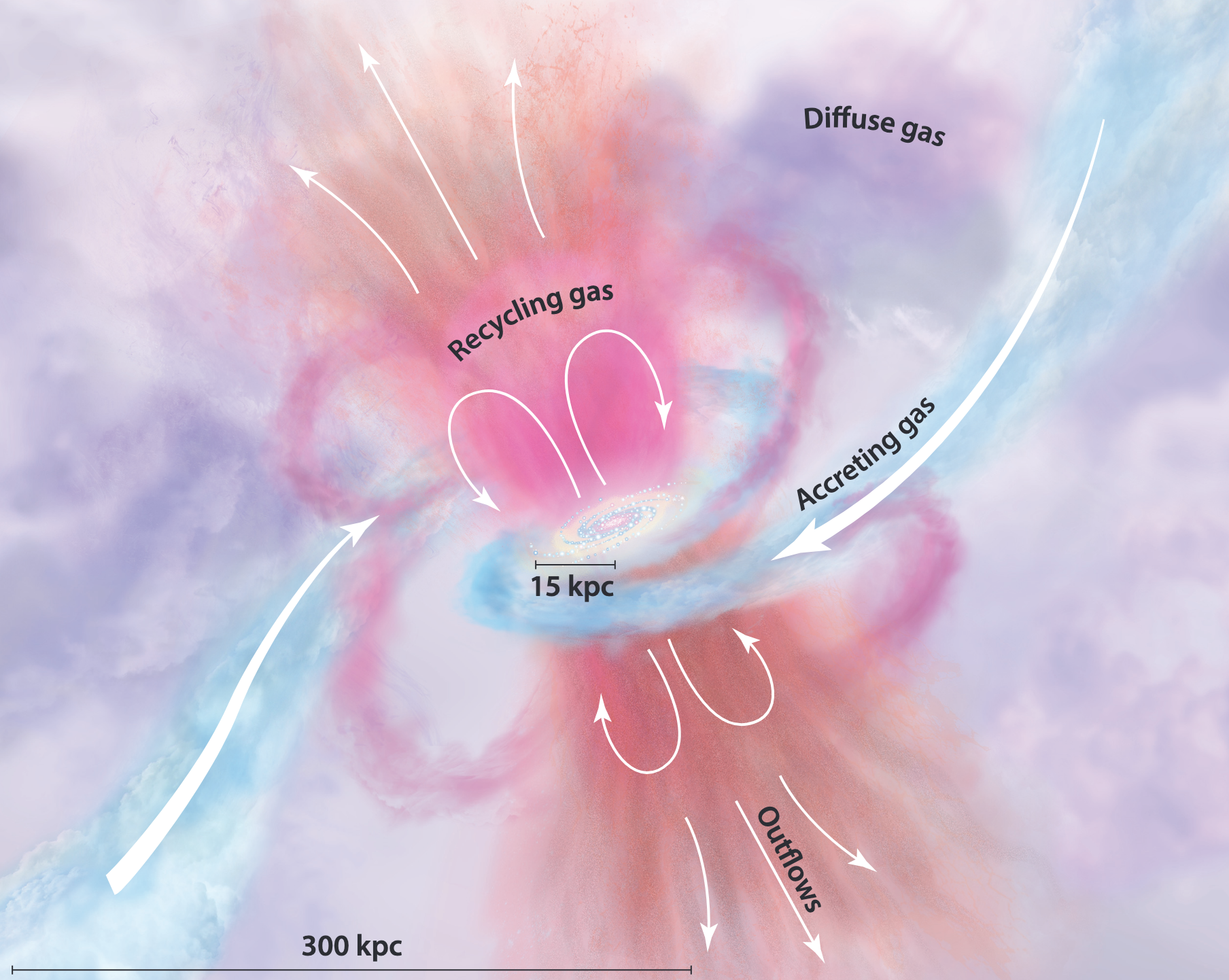
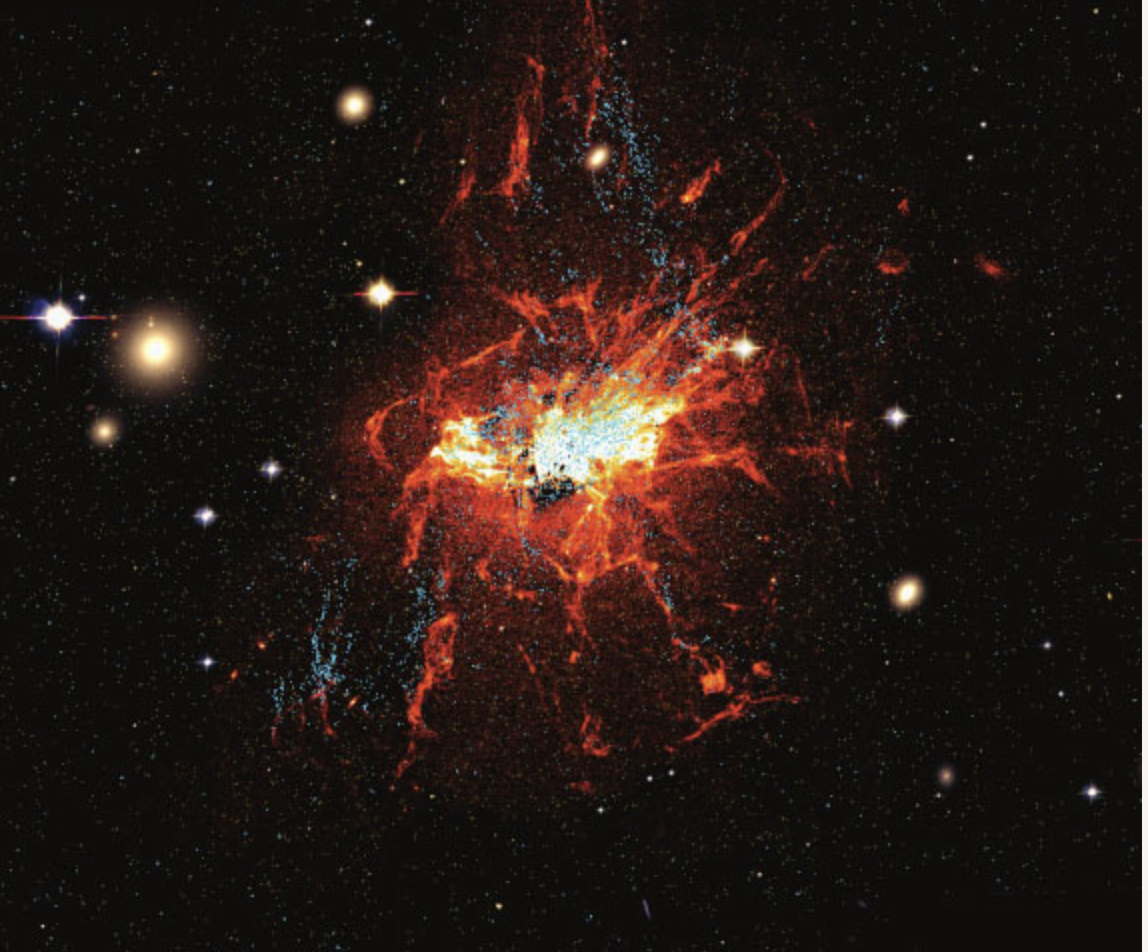
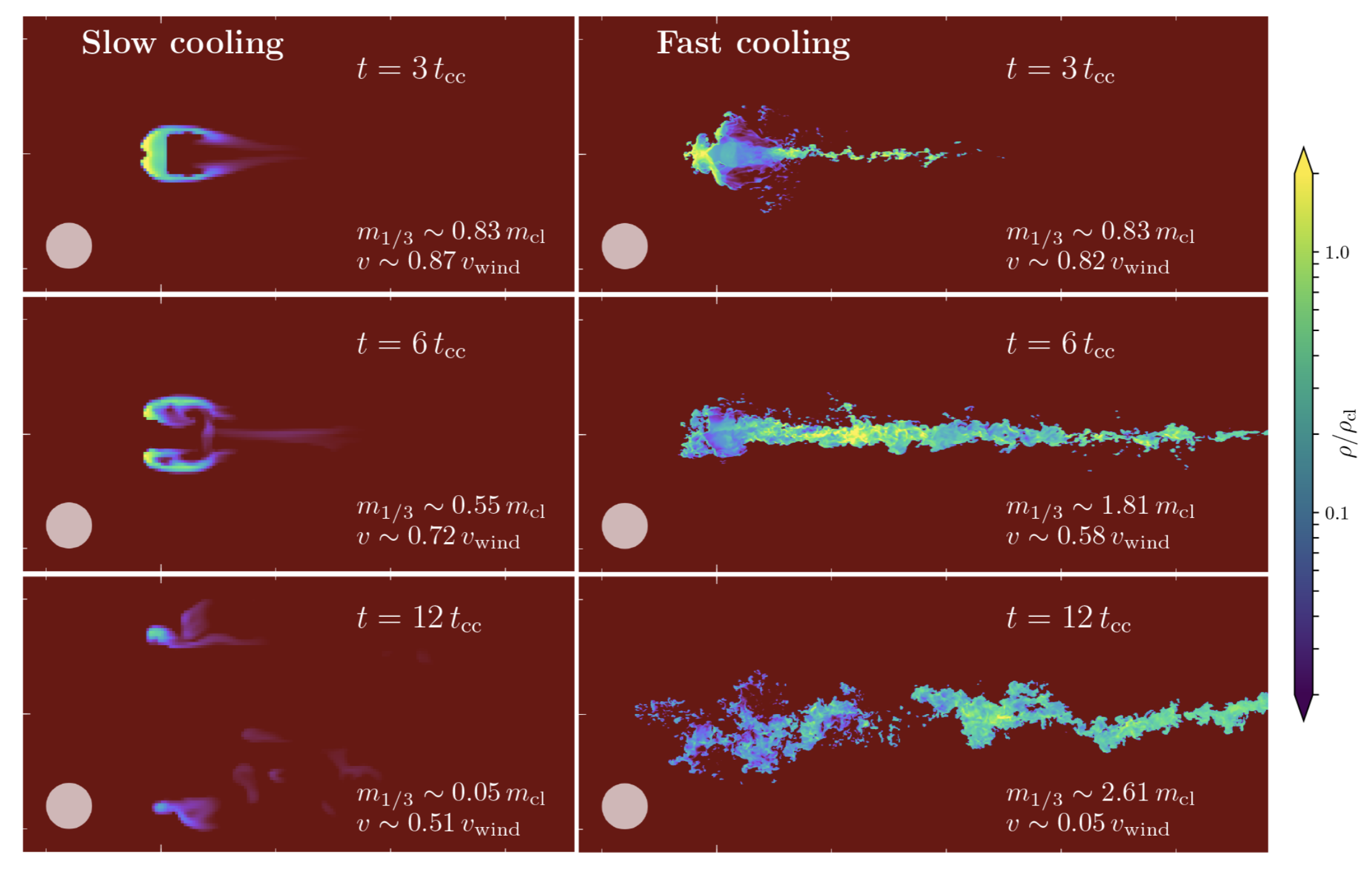
This project investigates the conditions under which cold gas clouds can persist while being entrained in galactic winds, focusing on the interplay between turbulent mixing and radiative cooling. By extending previous studies beyond the narrow parameter regimes explored so far, it aims to map out the full landscape of cold-gas survival in realistic outflow conditions.
How do cosmic rays shape galactic winds?

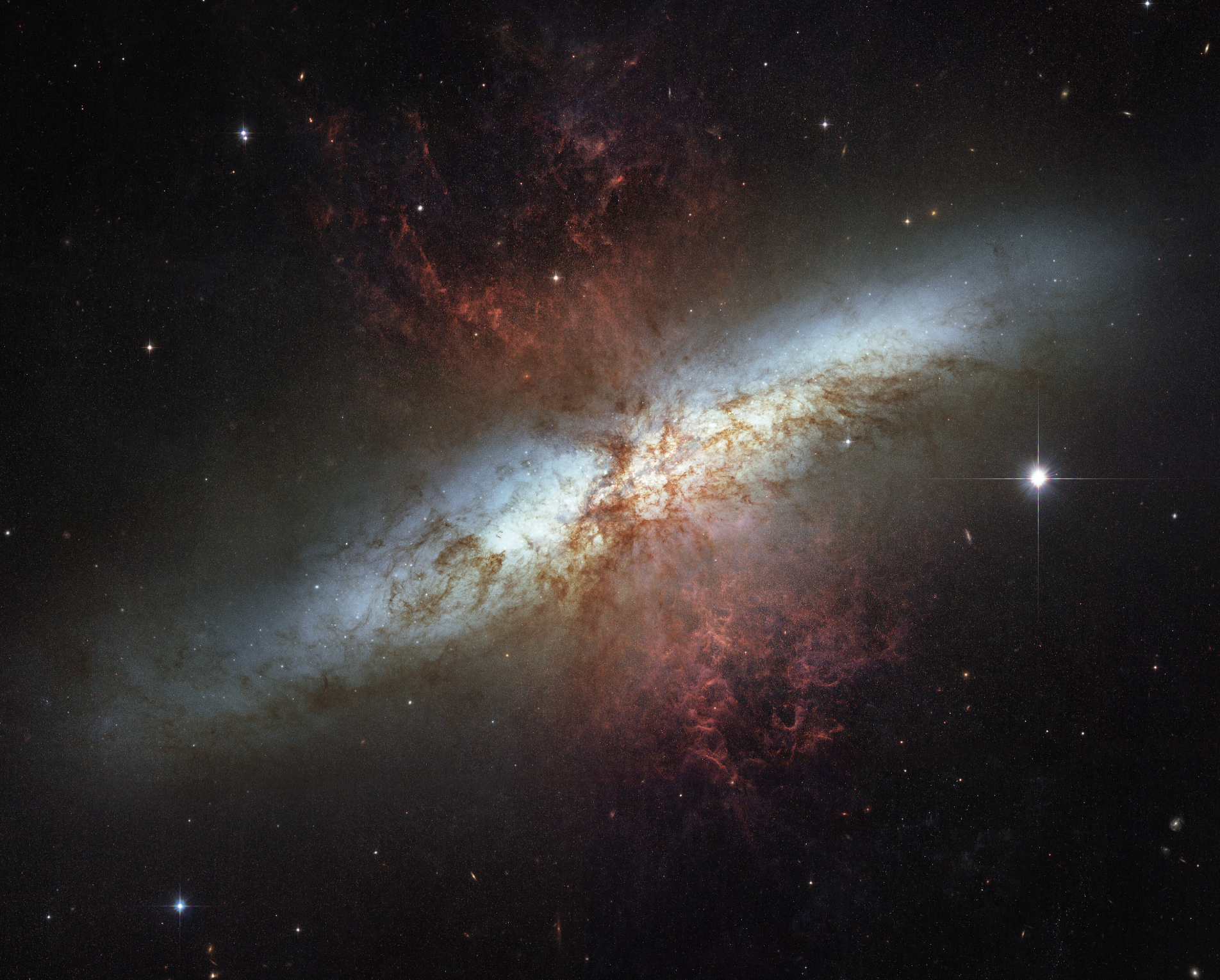
This project investigates how cosmic rays influence the structure of galactic winds by comparing simulations with and without cosmic ray feedback. By analyzing the resulting gas morphology, clumping, and observable signatures, it aims to test theoretical predictions against observations of multiphase outflows around galaxies.

How numerical methods shape simulated galactic winds

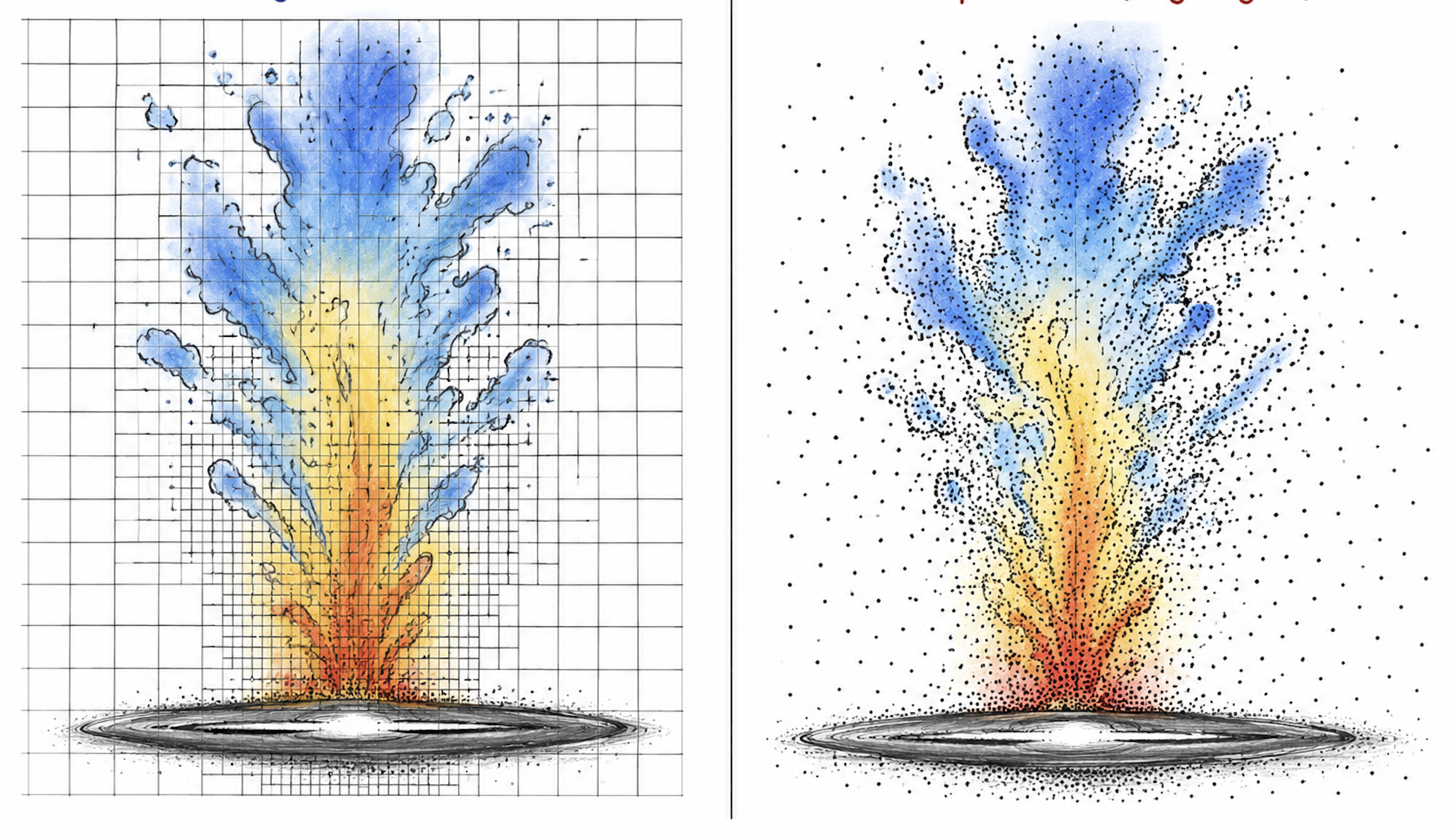
This project compares galactic wind simulations performed with different hydrodynamical methods, including mesh-free finite-mass, moving-mesh, fixed-grid, and adaptive-mesh approaches. By analyzing wind morphology, phase structure, mixing, and mass loading, it aims to identify which wind properties are robust and which depend on the numerical method.

Jet-ISM interactions and radiative energy losses

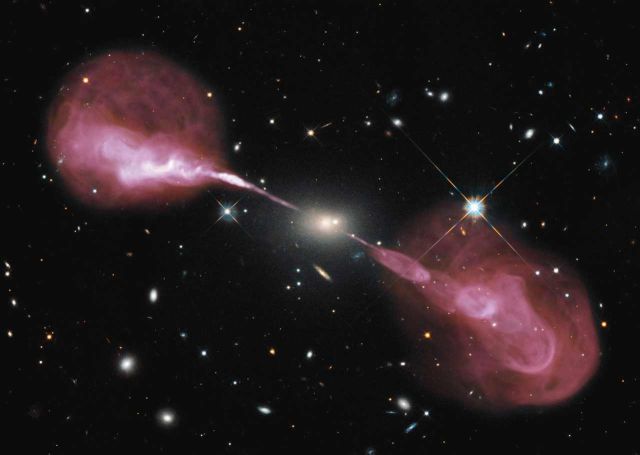
This project studies how energetic jets interact with the turbulent, multiphase interstellar medium of galaxies. By performing hydrodynamical or magnetohydrodynamical simulations, it aims to quantify how much jet energy is radiated away, how efficiently the ISM is heated or stirred, and under which conditions jets stall before escaping the galaxy.

Lyman-alpha as a proxy for ionizing photon escape

How ionizing photons escaped the dense neutral hydrogen envelopes of galaxies to reionize the Universe is unknown. This project aims to investiate the issue using Lyman-alpha radiative transfer simulations and a comparison with data.

Lyman-alpha emitters as a probe of the Epoch of Reionization

This project explores how intrinsic Lya radiative-transfer effects within galaxies modulate their observability through the neutral IGM, thereby affecting how Lyα emitters trace reionization. By modeling the progress of reionization and predicting which galaxies would be detectable, the project aims to identify — with machine-learning methods — the optimal combination of observables to constrain the EoR.

Lyman-alpha pumping during the dark ages

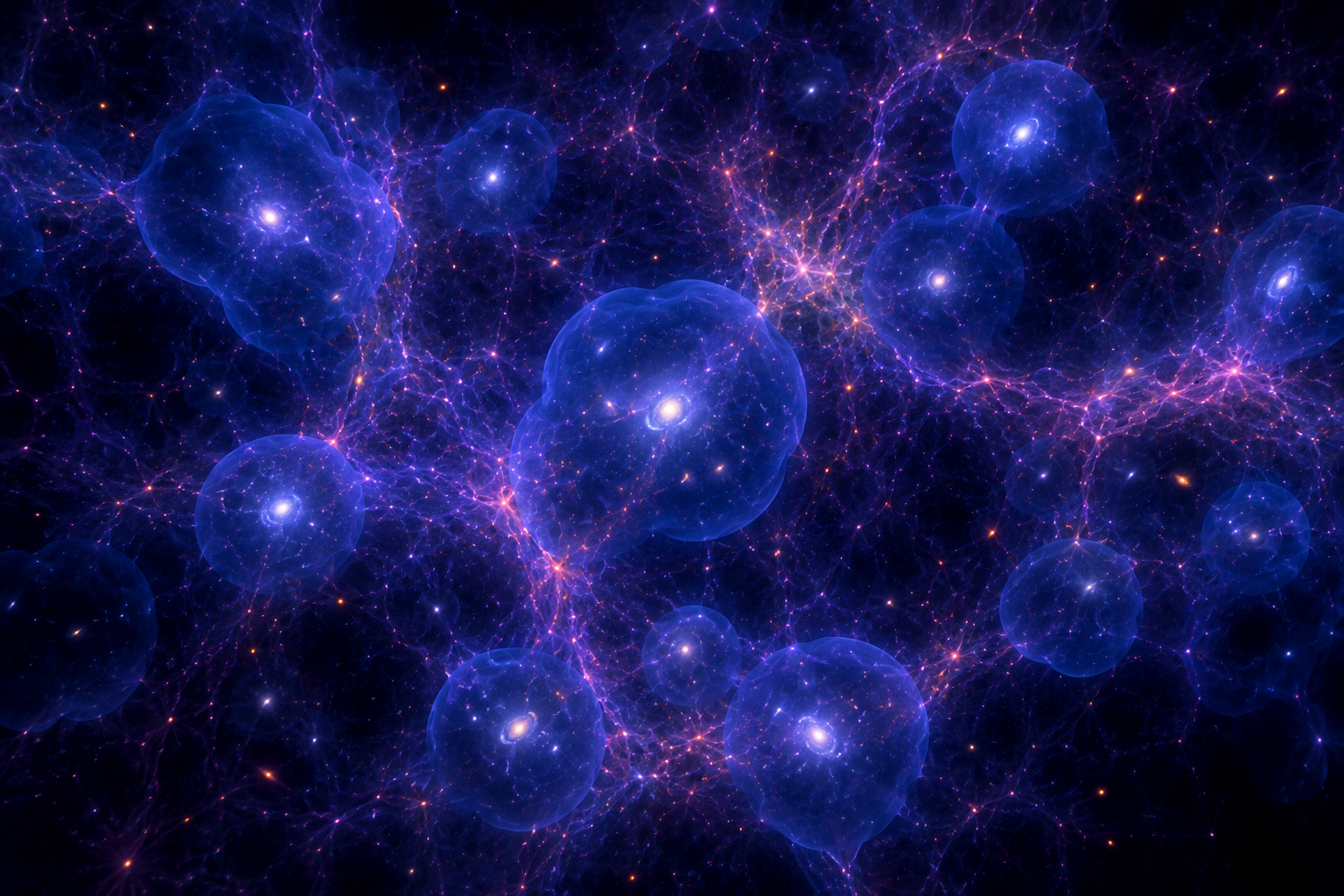
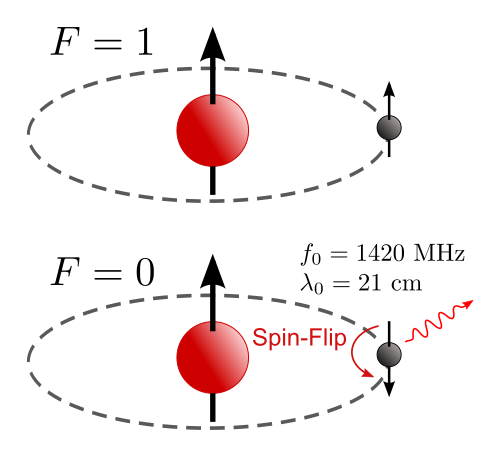
This project uses Ly𝛼 radiative-transfer simulations of galaxies and their environments to quantify Wouthuysen–Field coupling and derive sub-grid prescriptions for large-scale 21 cm/EoR simulations. The aim is to bridge the vast scale gap—from sub-pc Ly𝛼 scattering to Mpc-scale reionization structures—so upcoming 21 cm experiments can model this effect accurately.

Modeling gas clouds in the vicinity of a black hole

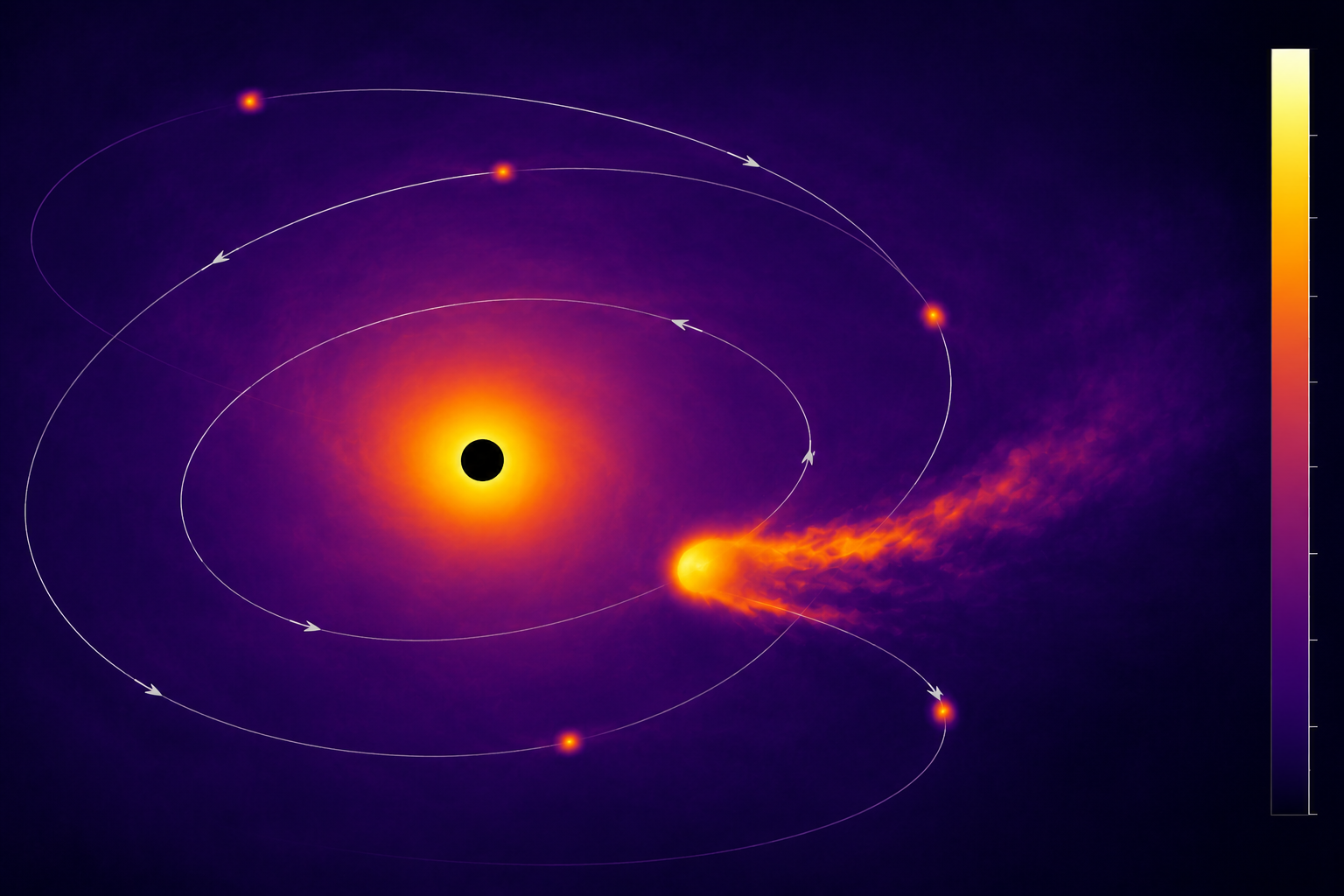
This project studies how gas clouds orbiting the Galactic Centre evolve under strong tidal forces, fragmentation, and radiative cooling. By performing hydrodynamical simulations that include gravitational fragmentation and cooling-driven condensation, it aims to understand the conditions under which such clouds survive or dissipate.

OVI resonant scattering?

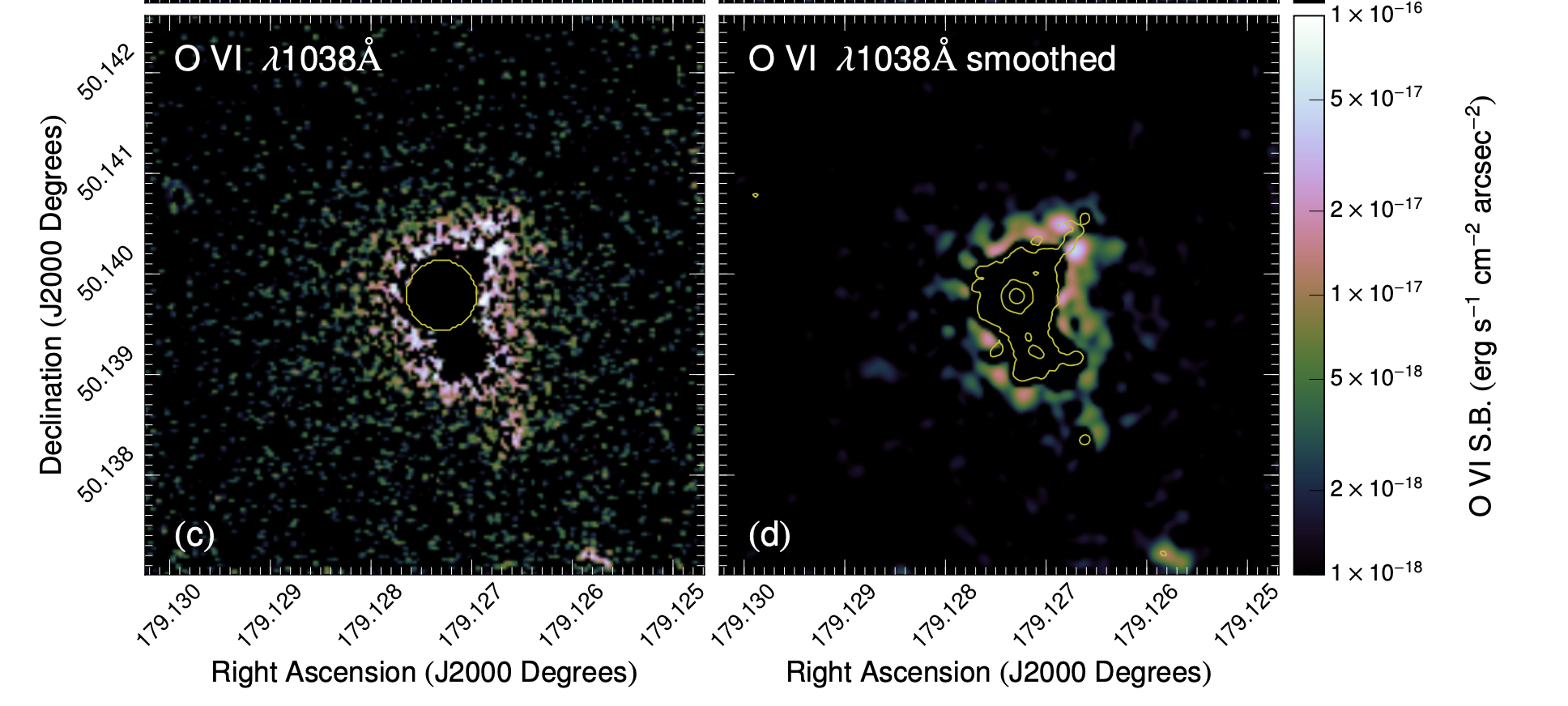
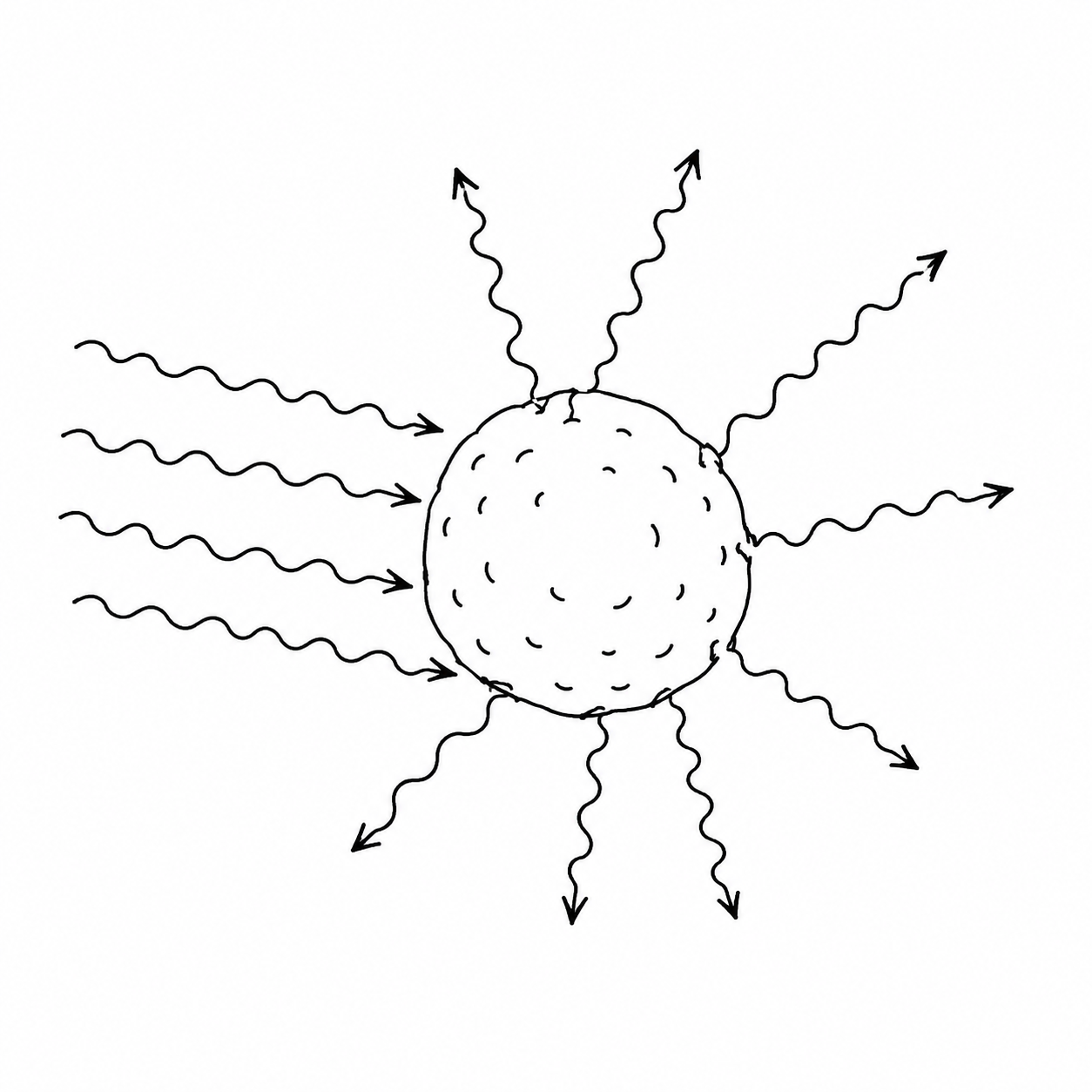
This project investigates whether the extended O VI emission observed around galaxies can be explained by resonant radiative transfer. By combining radiative transfer calculations with models of the circumgalactic medium, it aims to predict observable spectra and surface brightness profiles and assess the importance of scattering in shaping O VI halos.

Radiation Pressure–Driven Acceleration and Survival of Cold Gas

This project explores how radiation pressure accelerates cold gas and determines the conditions under which such gas can withstand shear forces and remain intact. Using radiation–hydrodynamic simulations, it aims to clarify when radiation pressure aids entrainment versus when it leads to cloud disruption.

Stability of Cold Streams in the Circumgalactic Medium

This project investigates the survival of cold, filamentary streams feeding galaxies at high redshift by comparing their properties in cosmological simulations with existing analytical and small-scale stability criteria. The aim is to test how well theoretical predictions hold under realistic CGM conditions.

The effect of spectral stacking on the information content

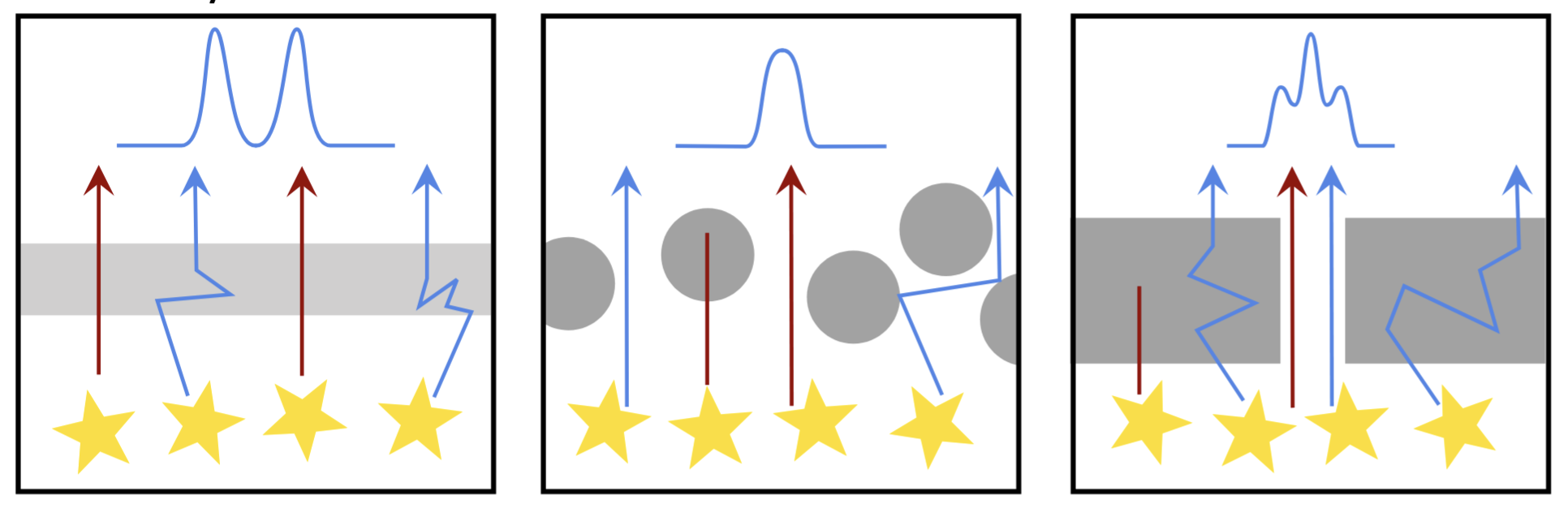
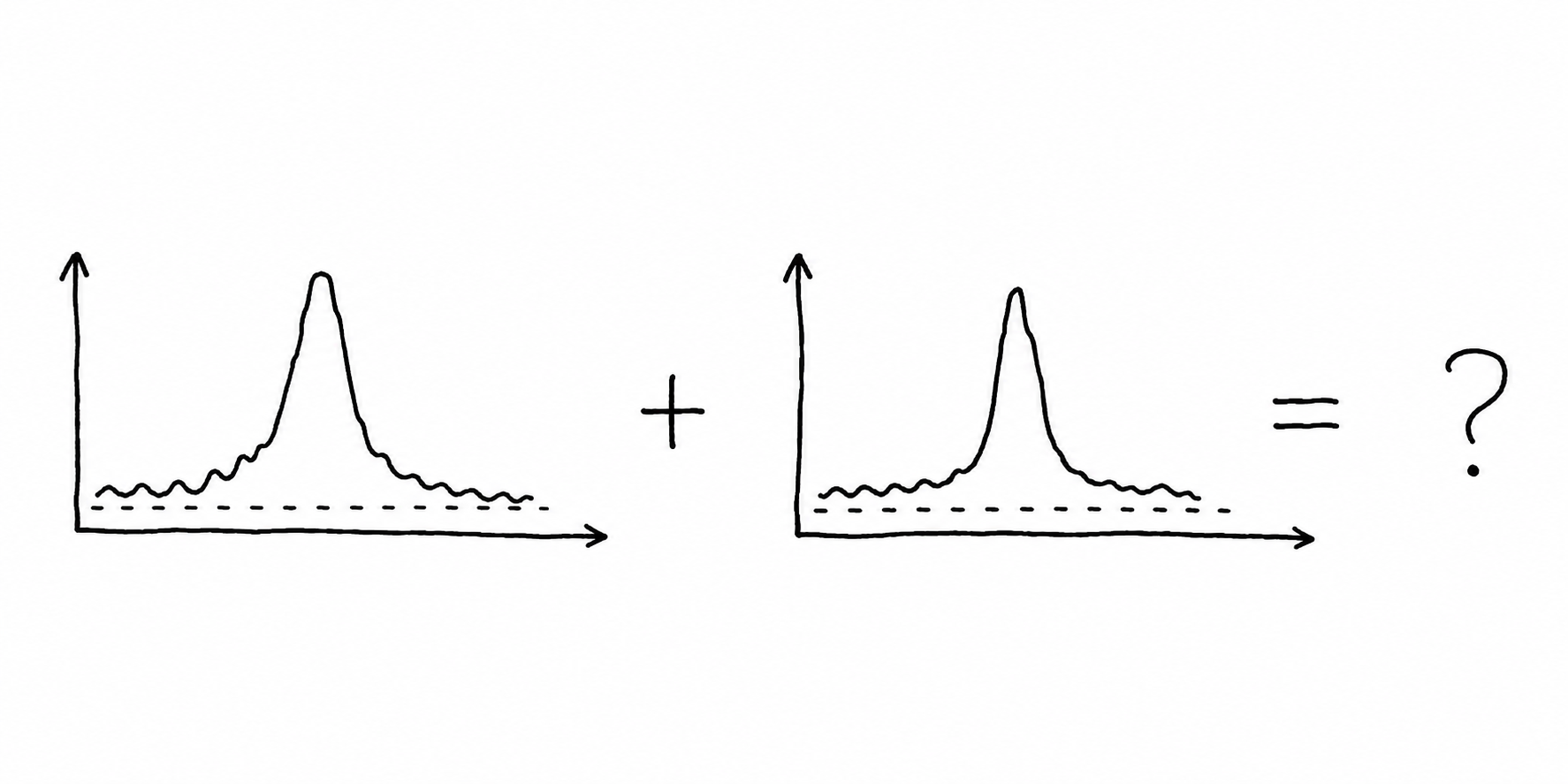
This project investigates how stacking resonant-line spectra (e.g. Lyα, Mg II) alters their spectral shape and information content, a key question for interpreting faint circumgalactic emission. By combining radiative-transfer simulations, synthetic spectra, and a dedicated stacking and fitting pipeline, the project will systematically compare the constraints achievable from individual spectra versus stacks.

The impact of adaptive mesh refinement on astrophysical turbulence

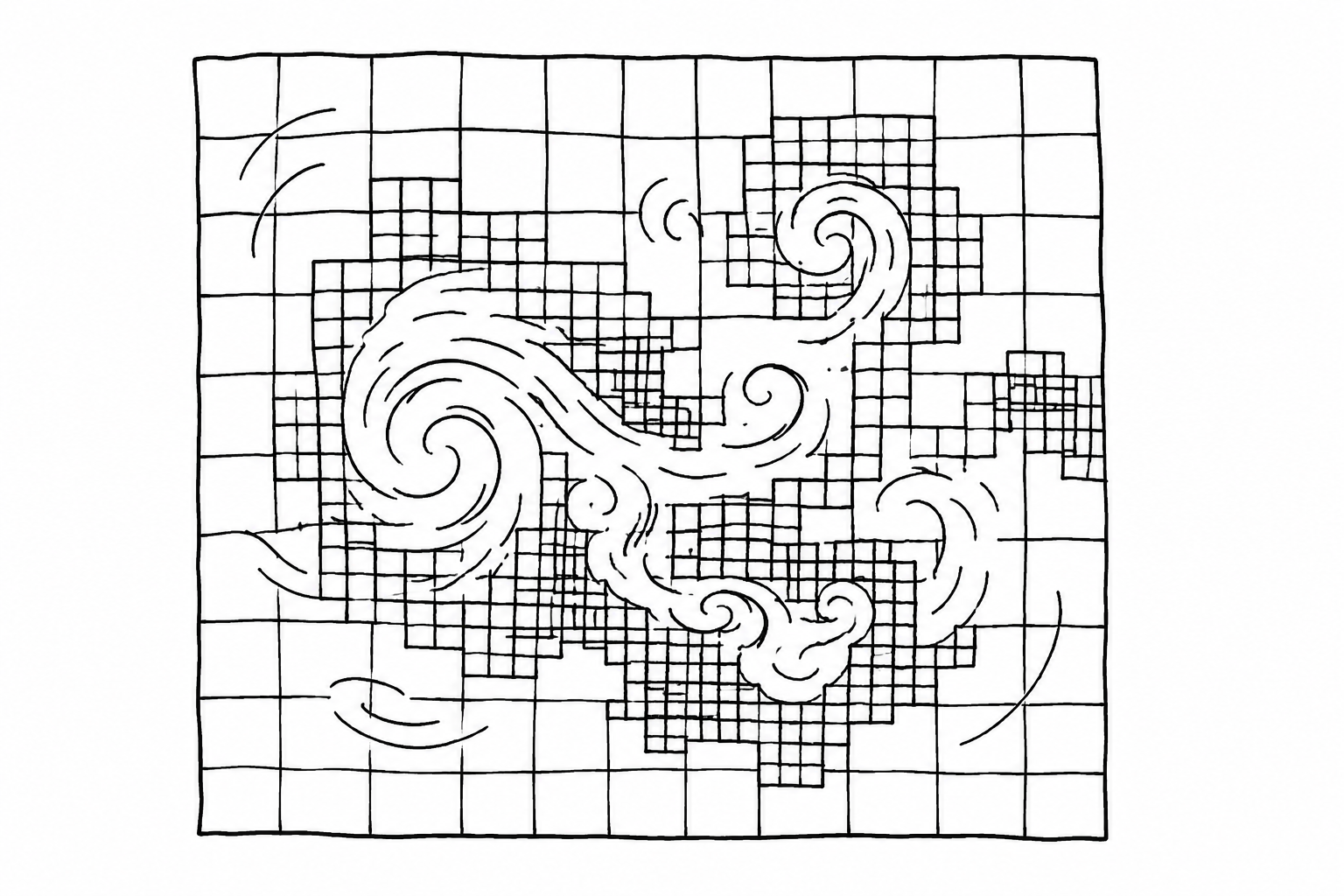
This project investigates how adaptive mesh refinement influences the statistical properties of turbulence in numerical simulations. By comparing simulations with different refinement strategies, it aims to determine how reliably adaptive methods capture turbulent cascades, mixing, and small-scale structure formation.

Thermal Instability and Heating Mechanisms in Stratified Atmospheres

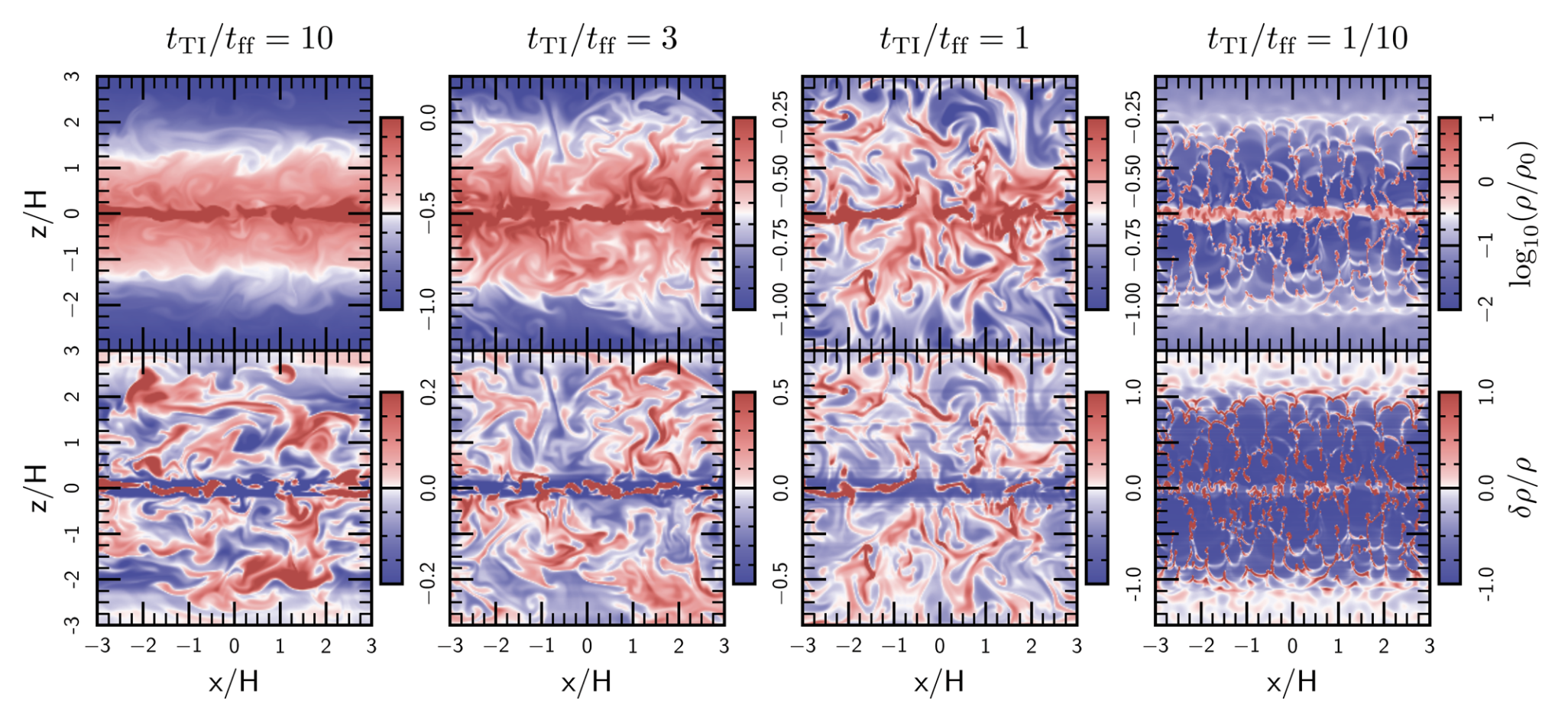
This project investigates how different, more realistic forms of heating regulate thermal instability in stratified atmospheres such as the intracluster medium, moving beyond the highly idealized ‘magic heating’ used in previous studies. Combining theoretical analysis with numerical simulations, it aims to clarify when and how cold gas can condense out of a hot, gravitationally stratified plasma.

Thermal Instability in Turbulent Multiphase Media

This project examines how and where thermal instability develops within turbulent flows in the ISM, CGM, and ICM by identifying the conditions under which compressed regions cool and condense. Using turbulent-box simulations that track the evolution of individual gas parcels, it aims to map out the pathways through which turbulence drives multiphase structure.